
Our Services
We are a multidisciplinary team of veterinary specialists. You can rely on us to provide advanced diagnostic and therapeutic veterinary services in a caring and supportive environment.
ANAESTHESIA
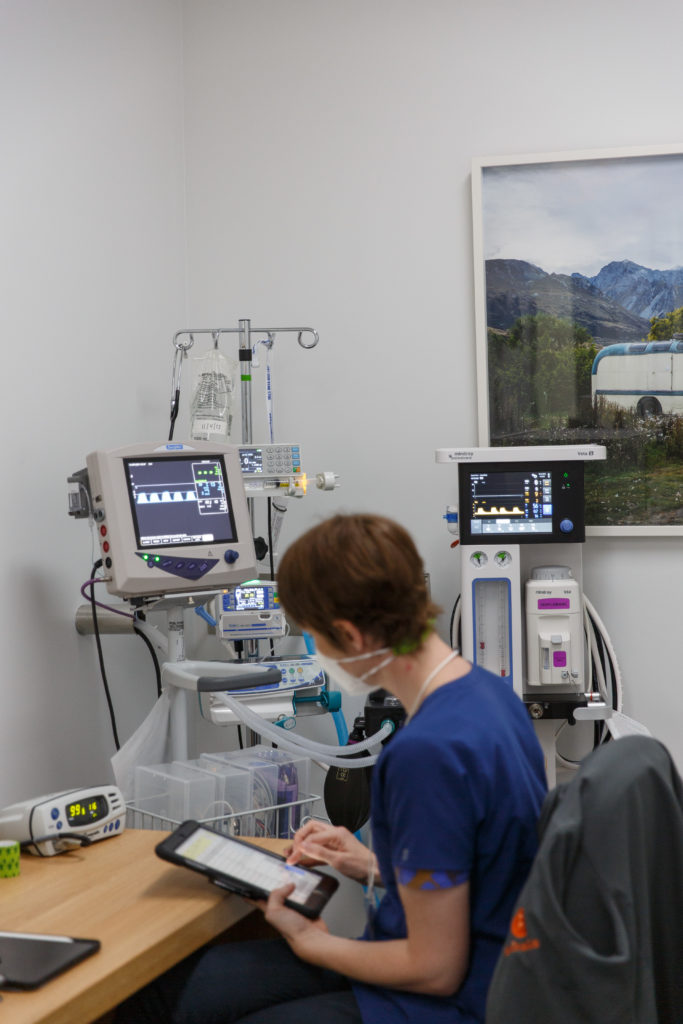
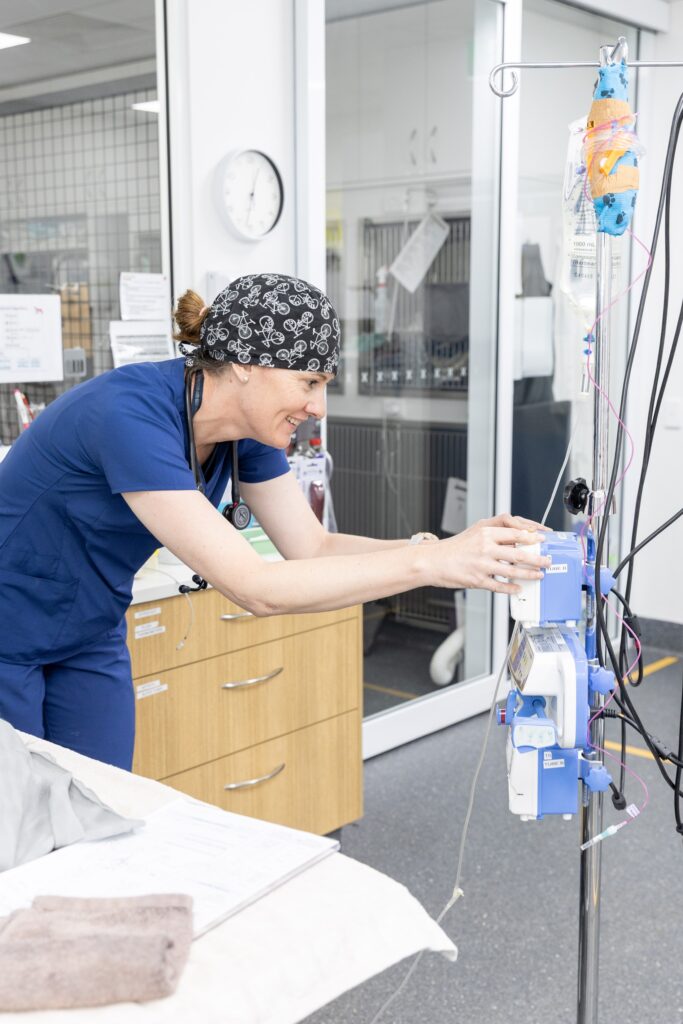
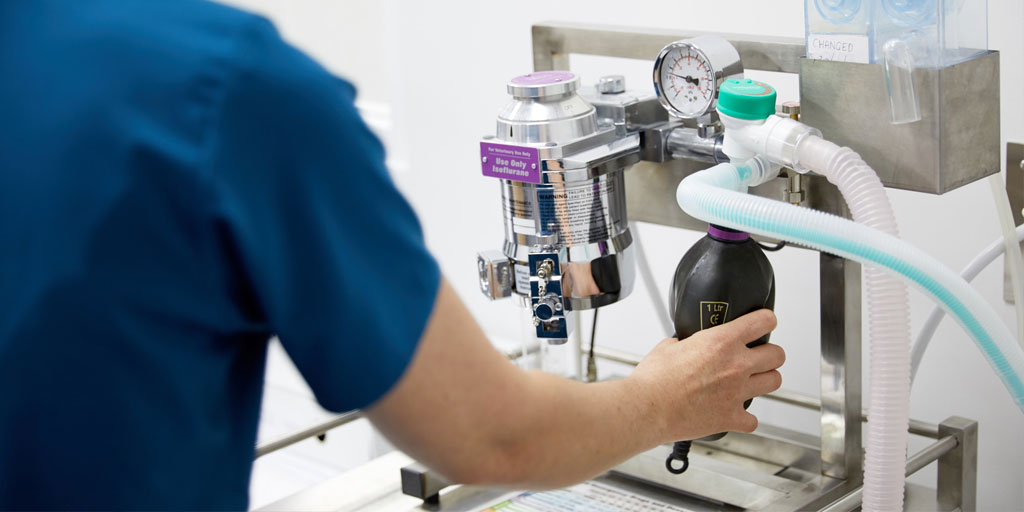
Anaesthesia services at Animalius are overseen by registered specialist Veterinary Anaesthetist Dr Jen Davis, providing expert care to our patients undergoing general anaesthesia and sedation for a wide range of procedures, with the experience and facilities to manage complex and high risk patients. Dr Jen employs many strategies to reduce anaesthetic risks, post-operative pain and complications, such as regional nerve blocks and epidural analgesia.
Dr Jen is supported by a team of experienced and competent hospital veterinarians, veterinary nurses and technicians.
Dr Jen is also highly qualified and experienced in analgesia and is available to consult on pain management for patients with long-term, refractory pain. Please see our services section entitled Pain Clinic below.
DENTISTRY AND MAXILLOFACIAL SURGERY
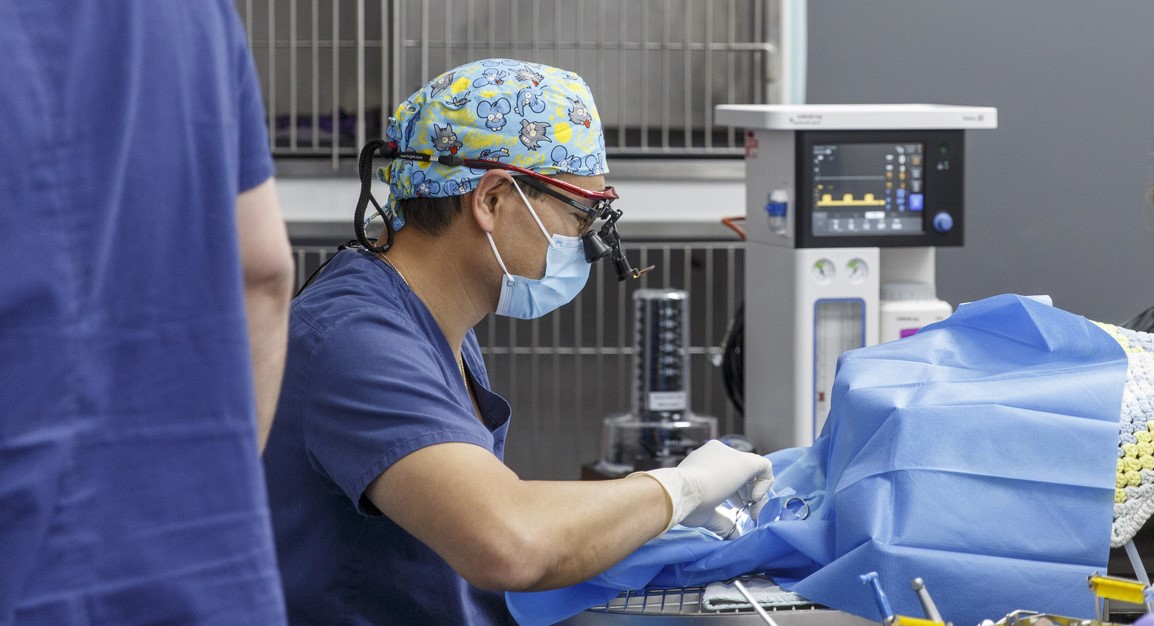
Dr Kevin Ng is one of very few specialist veterinary dentists in Australia and brings his charm and skills to a wide range of dental, oral and maxillofacial conditions.
Oral & Maxillofacial Surgery
There is a common misconception that veterinary dentists just treat teeth. Kevin also has extensive training in oral and maxillofacial surgery such as repairing jaw fractures, oral tumour removal, cleft palate surgery, salivary gland surgery and other advanced oral and maxillofacial procedures.
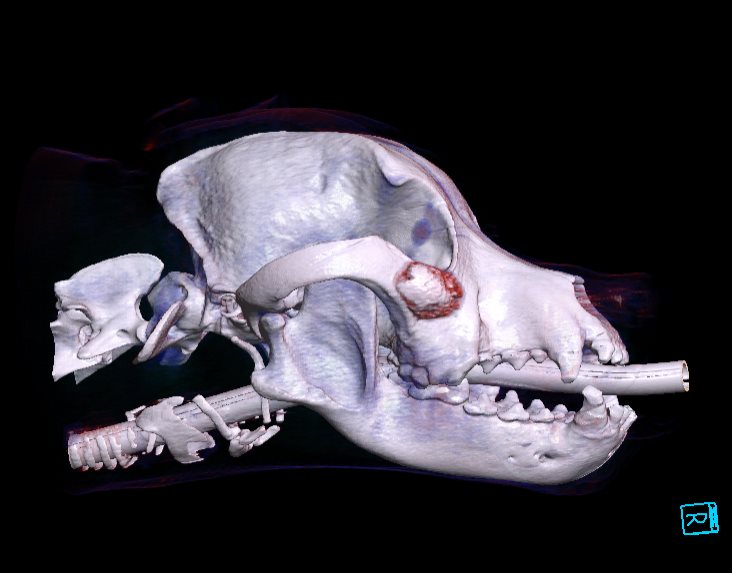
The collaboration of our oral surgery service with internal medicine, general surgery and imaging allows us to perform advanced diagnostics such as 3-D surgical planning and CT lymphangiography prior to treatment of advanced maxillofacial surgery cases.
Another benefit of having a veterinary dentist perform maxillofacial procedures is that Kevin can address any dental issues at the same time if necessary. This cuts down on anaesthesia time and streamlines patient care.
Advanced Dentistry
The range of procedures performed for advanced dentistry is truly phenomenal. Although extraction of diseased teeth has traditionally been the most common treatment performed in veterinary medicine, these days, discerning clients are well-informed about the health and functional benefits of preserving teeth. Our dentistry team now offers a full range of dental treatment options.
Examples of advanced dentistry procedures that we perform include:
*Advanced periodontal surgery such as periodontal flaps to reduce pocket depth or replace lost gingiva. We can even regenerate lost alveolar bone for important teeth.
*Endodontic treatment such as root canal treatment and vital pulp therapy for fractured teeth or those with necrotic pulps.
*Restorative treatment such as restoratives (fillings) and metal crowns to preserve the shape of a tooth and its function.
*Orthodontic intervention such as acrylic incline planes or buttons and chains appliances (braces) to treat malocclusions such as linguoverted (base narrow) canines and mesioverted (lance) canines.
Kevin is more than happy to assist with cases of challenging or extensive extractions, such as mandibular canine extractions or full-mouth extractions for canine or feline stomatitis. We also have a specialist anaesthetist on staff, allowing us to perform procedures on poor anaesthetic candidates.
The inclusions of a dentistry and oral surgery service to Animalius allows us to take a multi-disciplinary approach to diagnose and treat complex oral medicine cases such as masticatory muscle myositis, feline and canine stomatitis, and immune-mediated mucosal diseases such as pemphigus vulgaris and erythema multiforme.
Kevin also offers a dental teleradiology service. You can submit dental radiographs for his opinion via Purview. See the instructions in our Resources for Vets tab, or follow the link in the Referral Teleradiology tab above.
PAIN CLINIC
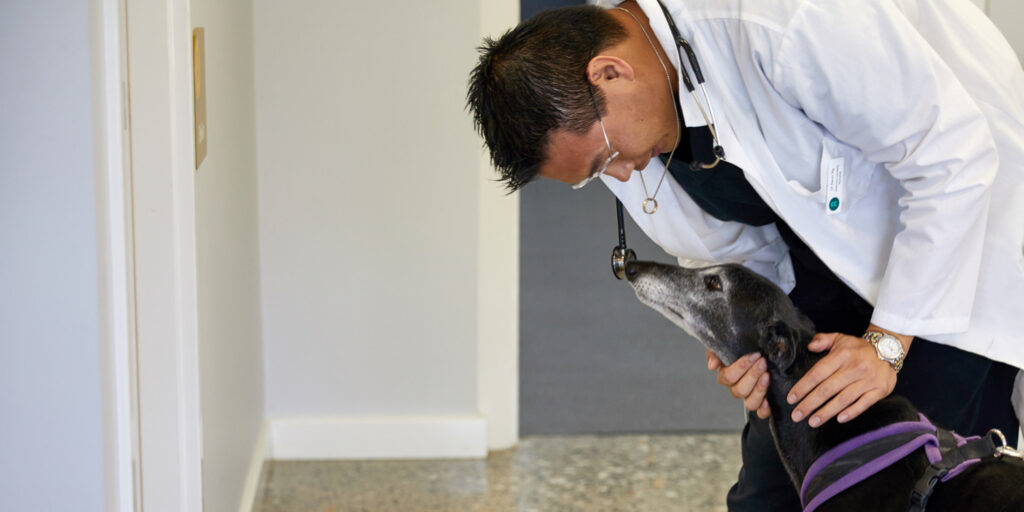
Animalius Pain Clinic aims to improve quality of life for pets suffering from difficult to manage pain conditions. As a Registered Specialist in Veterinary Anaesthesia, Dr Jen Davis has significant expertise in the identification and management of pain in animals.
Animals that may benefit from a Pain Clinic consultation include those with acute (short term) or chronic (long term) pain conditions that are not easily managed with first-line prescription pain killers. Examples include:
* Osteoarthritis
* Painful medical conditions: pancreatitis, otitis (ear disease), neoplasia (cancer)
* Neuropathic pain: spinal disease, lumbosacral disease, peripheral nerve injury, nerve sheath tumours
* Persistent post-surgical pain
* Complex chronic pain states (e.g., feline hyperaesthesia syndrome)
* Painful animals that cannot tolerate first-line prescription pain killers (e.g. non-steroidal anti-inflammatories)
* Animals whose pain may have previously been well controlled but are suffering from a sudden increase in pain levels (“breakthrough” pain)
A visit to our pain clinic involves the development of an individualised pain management plan for your pet, with the overall aim of improving their comfort and quality of life.
Please note that the pain clinic is not a diagnostic service to identify the cause and/or location of pain; rather, it is a service to manage animals that already have a diagnosis for the source of their pain (i.e., performed by the referring veterinarian or another specialist veterinarian). However, we do occasionally manage cases with complex pain states where the diagnostic process has been performed but a specific pain source or location could not be determined.
Consultation
The initial consultation involves assessment of current quality of life and pain levels, and identification of treatment goals. Medical history and current medications are reviewed.
Individualised Management Plan
Based on the initial consultation, an individualised pain management plan will be formulated. This plan will be provided directly to the pet’s owner, and to their referring veterinarian. The plan may include:
- Modification of doses and dosing interval of current prescription medications, as based on current scientific evidence, to optimise analgesia provided.
- Addition of adjunct (non-standard) prescription medications as appropriate, to better manage the specific pain type identified.
- Identification of non-pharmaceutical interventions that may be of benefit (e.g., environmental modifications, physical therapies, acupuncture, dietary supplements).
- Creation of personalised quality of life and pain scoring tools for ongoing assessment at home.
Interventional Procedures
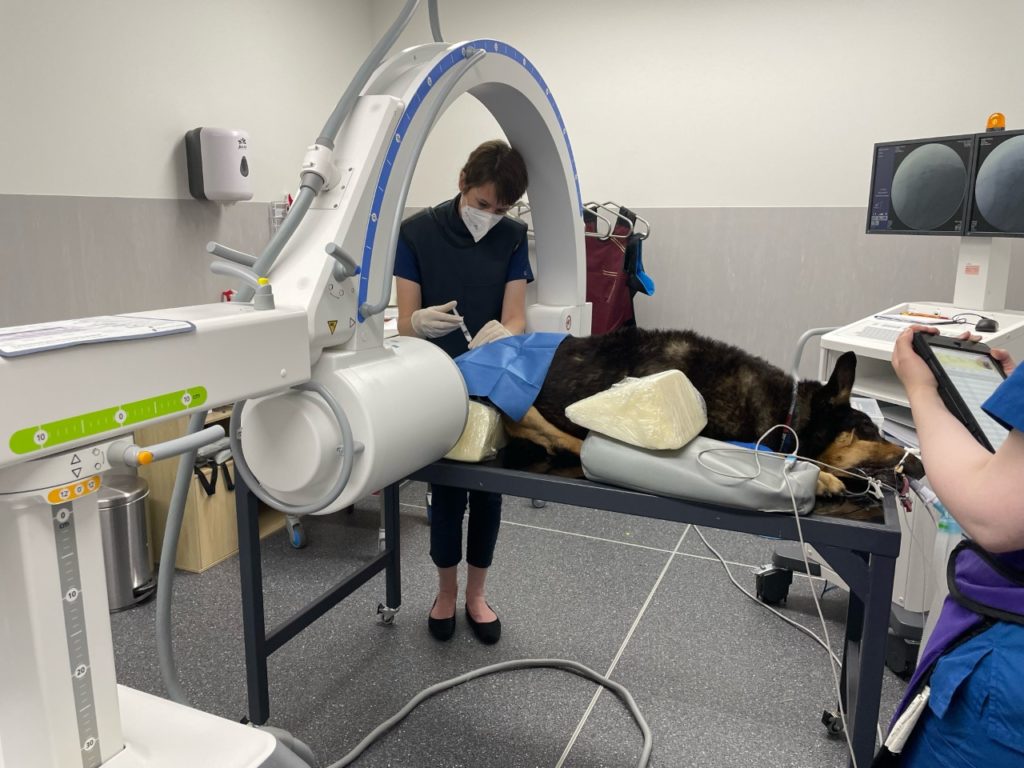
For some pain conditions, interventional procedures may be considered. These involve administration of medications directly at the source of pain, around nerves or inside joints. While interventional procedures are commonly used to relieve intractable pain in people, they are a relatively new and developing specialised technique for managing pain in animals. These procedures may involve a collaborative approach with our diagnostic imaging department, utilising the expertise of our Registered Specialists in Veterinary Radiology to ensure medications are injected precisely in the target area (using ultrasound or fluoroscopy guidance). These procedures are usually performed under heavy sedation or short general anaesthesia.
Follow up
Owners are asked to keep a pain diary for their pet while working through the pain management plan to determine what treatments are most effective for their pet. Revisit consultations may be required to go through the diary and adjust treatment; where appropriate, these may be performed as teleconsultations.
RADIOLOGY
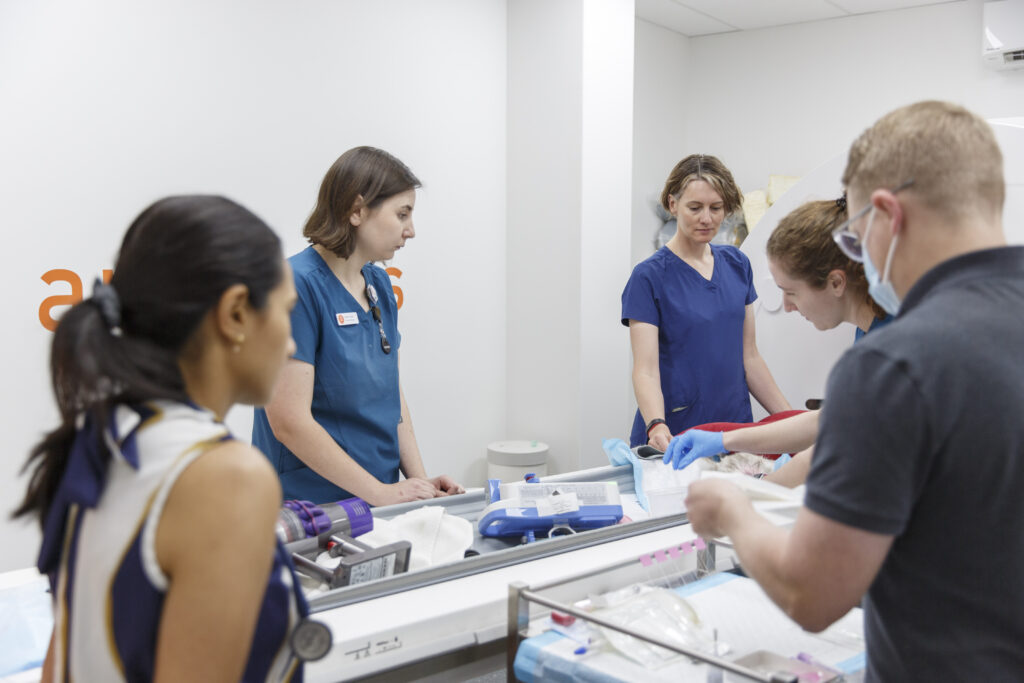
The diagnostic imaging team at Animalius is the largest in Perth and provides both inpatient and outpatient imaging services, as well as a teleradiology consulting service, 5 days a week. See below for the modalities we provide, the types of patients we can help and procedures that we offer.
Computed Tomography
While our brand new, 64 slice Siemens CT provides superb images, it is the expertise and experience of the specialist radiologists operating it that make this service so valuable. Key to getting the best for our patients and clients is a detailed understanding of the modality and when it is appropriate. We offer outpatient CT when our radiologists have conferred with the primary care veterinarian to determine this is the best imaging modality to investigate their concerns.
CT is a versatile imaging modality that allows for rapid evaluation of areas of complex anatomy. There are many indications for its use; common ones are included below. If you think you have a patient that might benefit we are always happy to discuss – just give us a call.
- Head and neck – fractures, neoplasia, nasal discharge, otitis, retrobulbar disease, salivary gland disease, draining sinuses, oral cavity masses, nasopharyngeal polyps, pharyngeal stick injuries, thyroid masses, carotid body tumours.
- Spine – intervertebral disk disease, trauma, congenital malformations, discospondylitis, vertebral neoplasia and osteomyelitis, cauda equina syndrome. Myelography can be performed to increase the information yield regarding spinal canal disease. We will help you with patient selection to determine whether this test is appropriate.
- Thorax – pleural cavity disease including lymphangiography for chylothorax, thoracic wall masses, rib lesions, complex lung disease, feline bronchial disease, mediastinal masses, pulmonary masses, metastatic staging, pulmonary vascular disease such as thromboembolism. Our 64 slice CT is so fast it can image the myocardium and pericardium.
- Abdomen – CT is fantastic for acute abdomens, particularly in large dogs (> 25 kg), liver and other masses for staging and surgical planning, insulinoma and adrenal masses, liver abscesses, intestinal perforation, pancreatic necrosis and pseudocysts, portosystemic shunts and other vascular disease, ectopic ureters, abdominal wall trauma, migrating grass seeds.
- Musculoskeletal – elbow dysplasia, shoulder joint disease, complex bone lesions, spinal and pelvic fractures, complex fractures (particularly of juvenile patients or small cuboidal bones), osteochondrosis (particularly of the tarsus, for surgical planning), pelvic lesions and pelvic cavity disease.
- Oncology – staging and surgical planning, lymphangiography for sentinel node identification, triple phase angiography can be used to assist with differentiation of benign from malignant disease in hepatic masses, peripheral nerve sheath tumours.
Videofluoroscopy
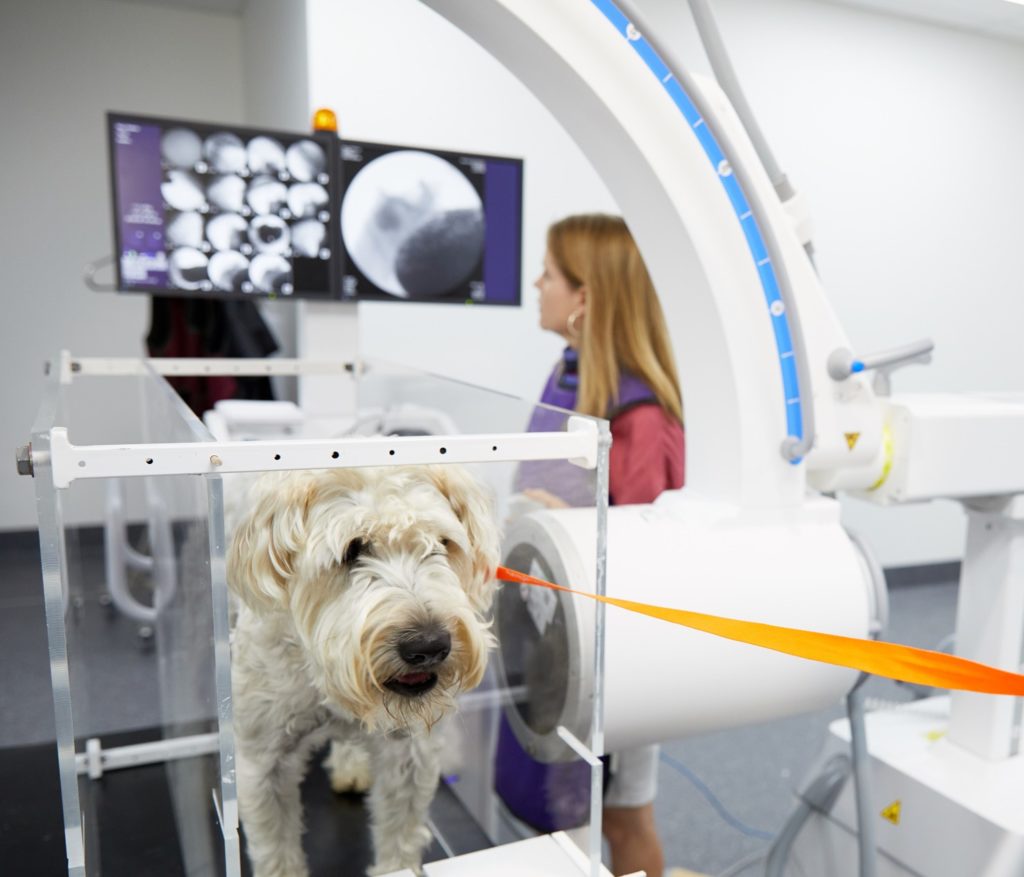
This is an invaluable modality for evaluating coughing patients for dynamic airway collapse, and for investigation of oesophageal and pharyngeal disease. It is also utilised in interventional radiology techniques such as the placement of tracheal stents, vascular coils and urinary tract diseases.
Ultrasound & Echocardiography
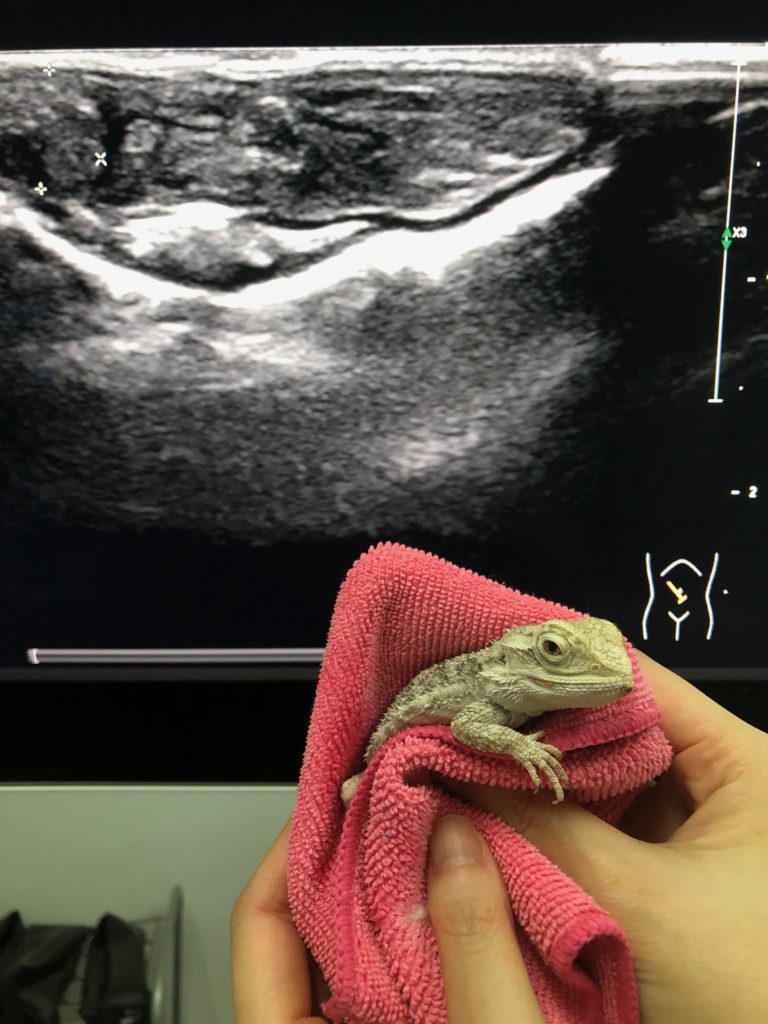
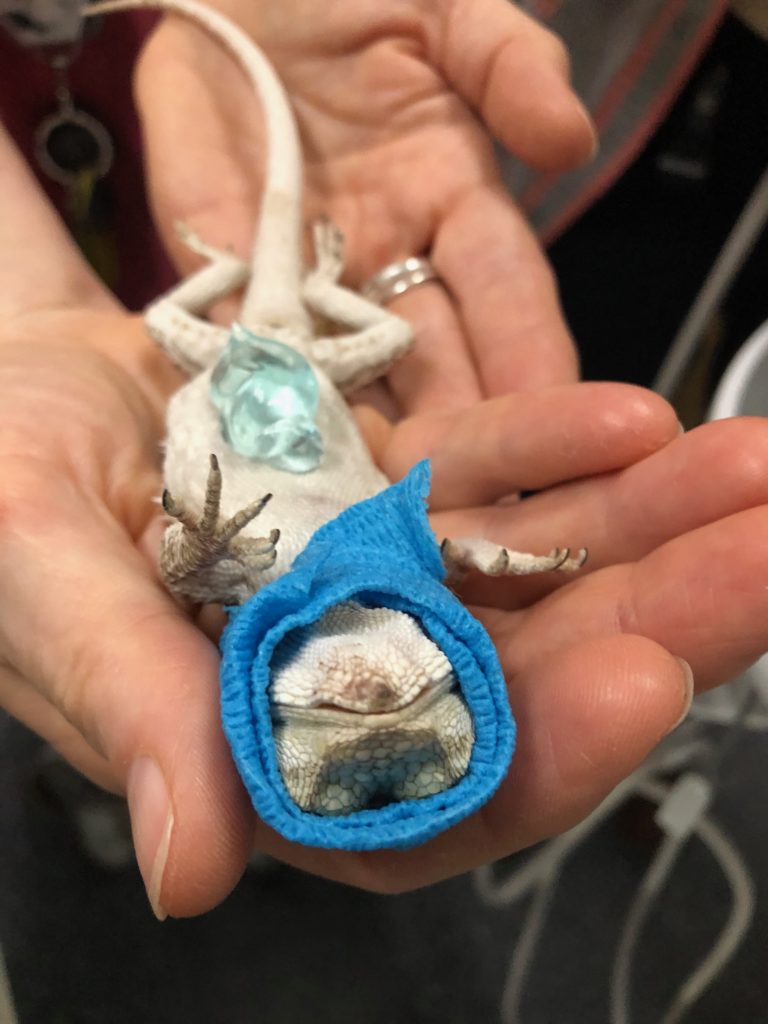
Well established in the veterinary community, the Animalius ultrasound clinic offers a complete range of abdominal, thoracic, musculoskeletal and echocardiographic studies, ultrasound guided aspirates and biopsies in dogs, cats and unusual pets. Our radiologists have a keen interest in cardiology and have highly developed skills in acquisition and interpretation of echocardiography.
Digital radiography
For those challenging patients or body regions where you struggle to acquire diagnostic radiographs, or if you simply have other demands on your time, we offer an outpatient radiography service that comes with the bonus of a specialist interpretation. Packages are available for cost effective radiographs when combined with ultrasound examinations.
MRI
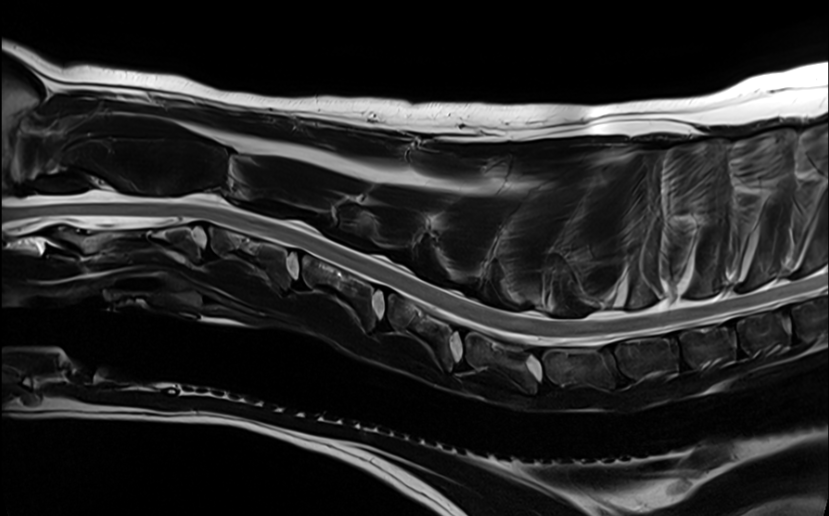
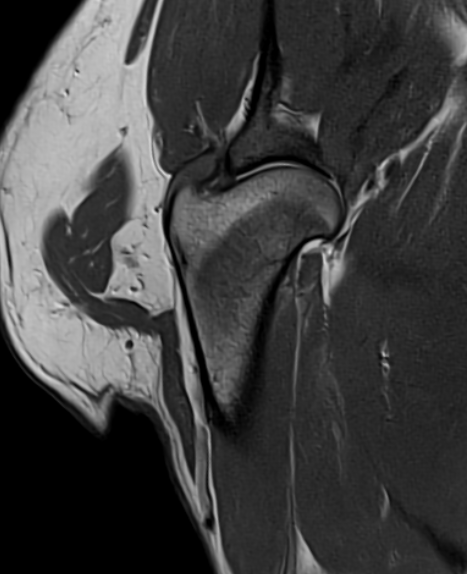
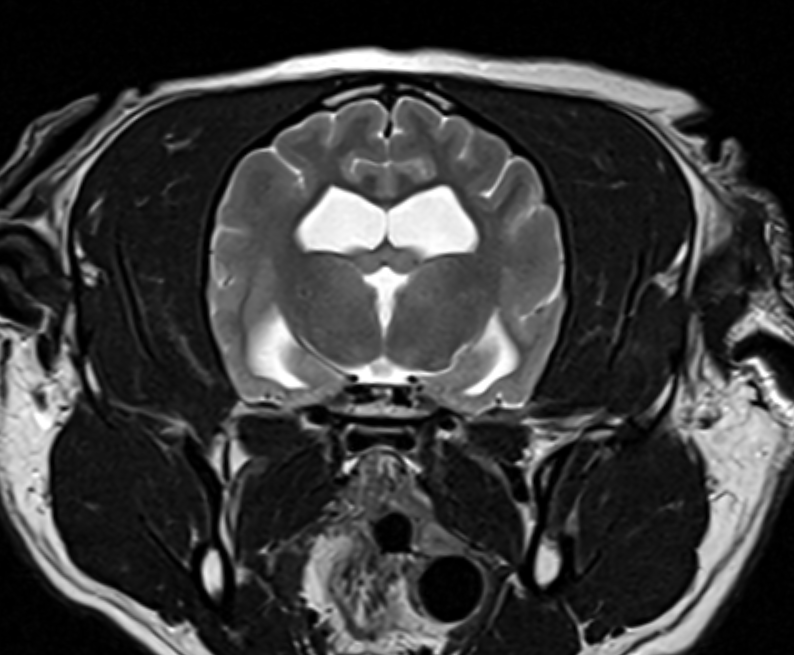
We have recently undergone software upgrades to our 1.5T MRI facility resulting in even greater image detail and reduced scan times, allowing reduced anaesthesia times for our patients. The quality of images of structures such as the brain, eye, spinal cord, and musculoskeletal system is exceptional.
We accept appropriate outpatient referrals for stable patients and perform a wide range of studies for our medicine and surgery service inpatients. For more information about our MRI service, you can call or email the Radiology department and speak with our MIT, charge nurse or radiologists.
HIGH DEPENDENCY UNIT
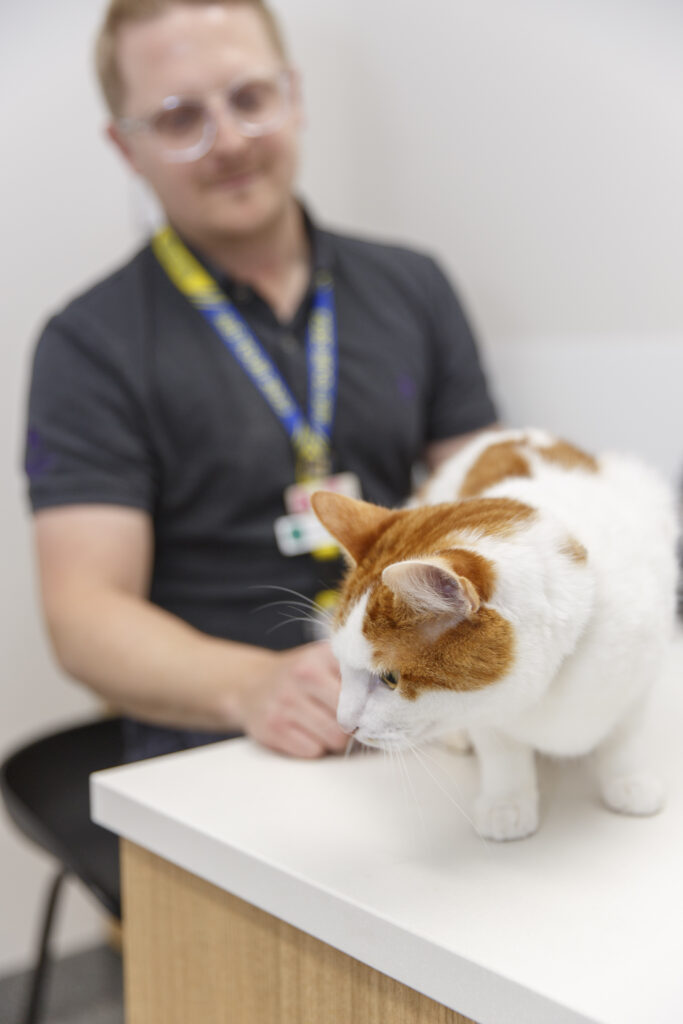
Animalius HDU is a referral only service that provides critical care for very sick patients, allowing us to see urgent Medicine referrals in a timely manner. The service is led by one of our Internal Medicine specialists, Dr Guy Wolfenden, with a team of experienced veterinarians and nurses under his supervision. The HDU integrates seamlessly with our urgent outpatient imaging service and surgical patients that need extra care.
This initiative means you can get help with really sick patients more quickly. Simply refer as usual using the HDU referral form, noting the HDU does not facilitate mechanical ventilation, nor serves as a blood bank for severely anaemic patients likely to need numerous blood transfusions.
We aim to drive innovation in veterinary care and enhance the support we offer to our referring veterinarians. The HDU allows us to manage urgent and unwell patients more effectively without adding strain to other services or external centres.
SURGERY
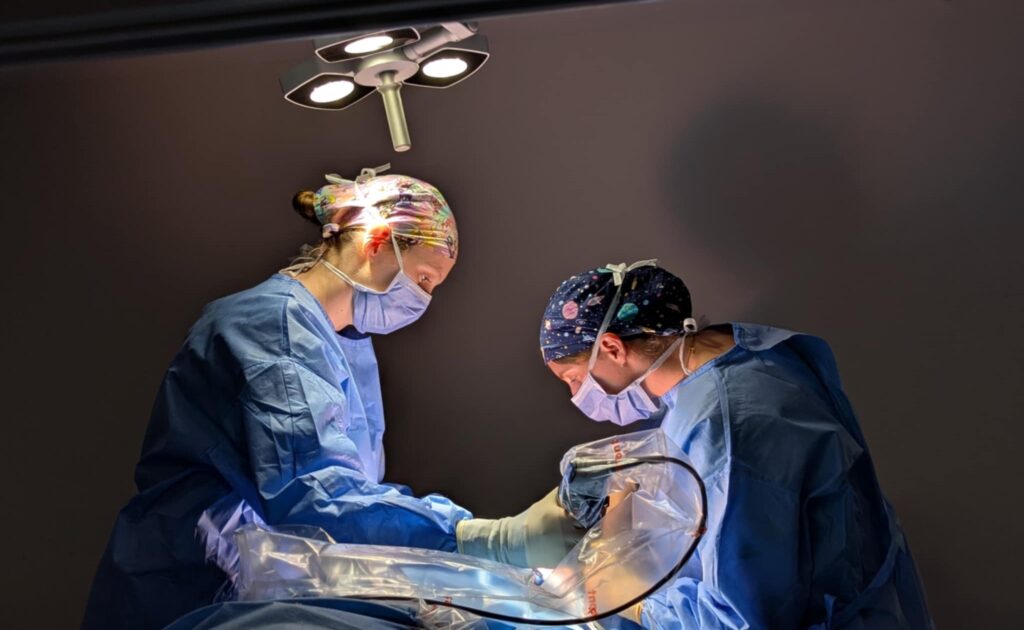
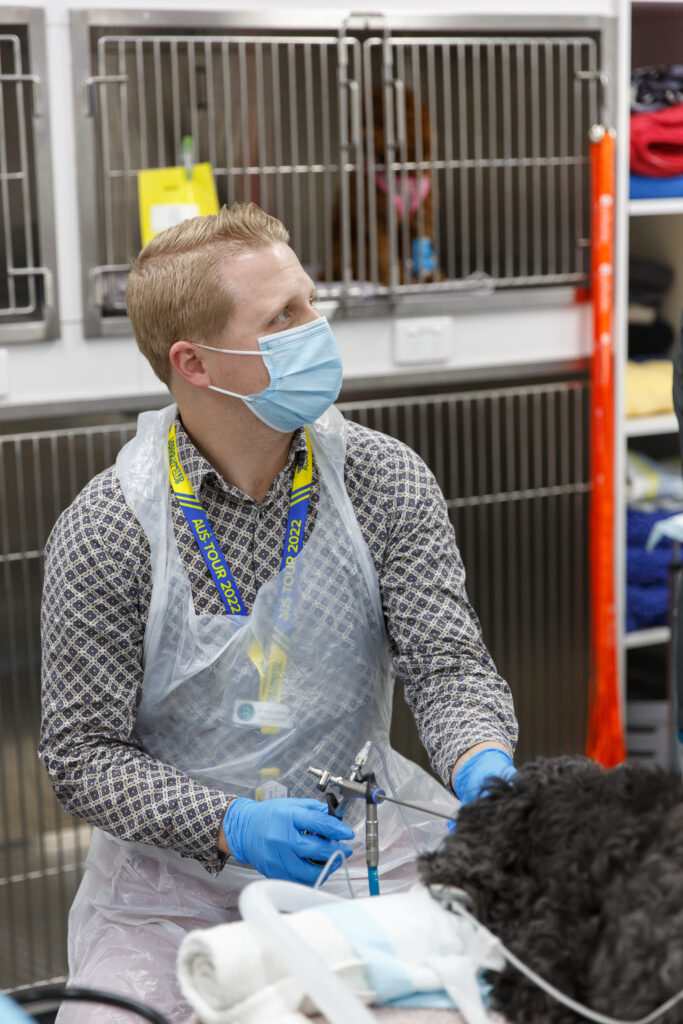
Our surgical service operates every weekday, with overnight veterinary care for our recovering patients Monday to Thursday. We offer fully integrated specialist anaesthesia, imaging, internal medicine and maxillofacial (dental) services to support complex surgical cases.
Please feel free to contact us for further information about the surgical services we provide and / or if you might have a patient that might benefit from a consultation with our surgeons.
Our othopaedic procedures include but are not limited to:
- Intervertebral disc decompressive surgeries
- Cranial cruciate ligament disease (Tibial Plateau Levelling Osteotomy, Cranial Closing Wedge Ostectomy & extracapsular suture technique)
- Medial Patella Luxation
- Femoral head and neck ostectomy
- Pancarpal arthrodesis
- Lameness evaluations
- Fracture repair
Our surgeons are also passionate about soft tissue procedures, for example:
- Airway surgery: arytenoid lateralisation, BOAS
- Sternotomies and thoracotomies for masses, infection and vascular ring anomalies
- Extrahepatic portosystemic shunt attenuation
- Urinary surgery: cystotomy, nephrectomy, ectopic ureters, SUB and artificial sphincter device placement
- Anal sacculectomy (neoplastic, sacculitis)
- Emergency surgeries: splenectomy, septic peritonitis, biliary mucocoele
- Total ear canal ablation and bulla osteotomy (lateral or ventral)
- Reconstructions, including skin, muscle, facial and limb
- Minimally invasive surgery (laparoscopy)
TELERADIOLOGY
General Radiology
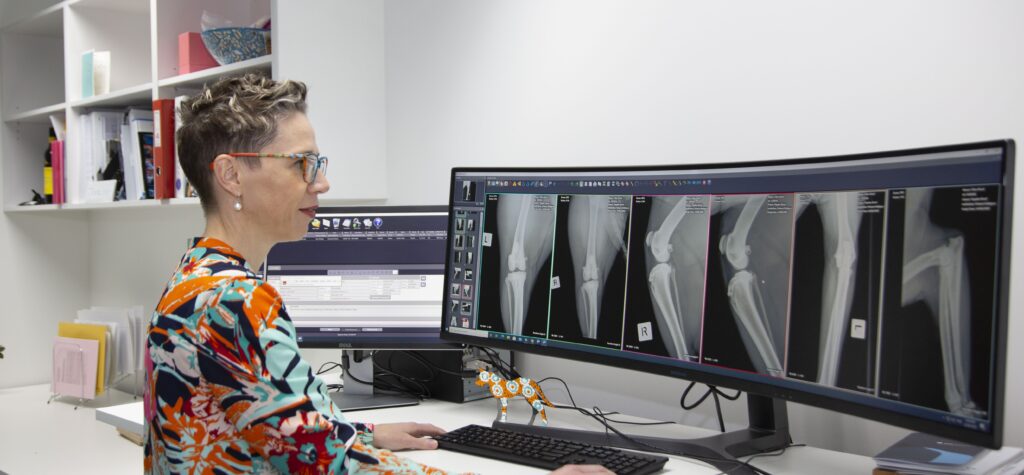
If you would like a specialist interpretation of your radiographs, Animalius radiologists offer a teleradiology service 5 days a week, providing detailed reports and practical advice that is affordable and delivered in a timely manner. Standard reports are provided within one business day and there is an urgent option for 4 hour turn-around. We love talking with vets about their patients and are happy to give advice about improving your radiographic technique.
Please note this service is available during our business hours of 8am-6pm Monday – Friday. We are located in Western Australia and are closed on WA public holidays.
To become an Animalius Teleradiology client, please contact us for the fee schedule, Terms of Agreement, and to establish your practice login. You can phone us (follow the prompts to the Radiology department) or email us (it may take up to 1 business day to receive a reply).
For existing clients, follow this link to the Study Browser and submit your radiographs. You will need your login.
For further information and instructions for submitting radiographs please refer to this page.
Dental Radiology
For interpretation of your dental radiographs, Dr Ng provides written reports with rapid turn-around times on all studies. We are located in Western Australia and are closed on WA public holidays.
You will need to become an Animalius Teleradiology client: see details in General Radiology.